

Exploring the Benefits of Using Rotopactor Crushers in Modern Manufacturing
classification: Knowledge
Release time:2024-10-07 10:00
Exploring the Benefits of Using Rotopactor Crushers in Modern Manufacturing
Table of Contents
1. Introduction to Rotopactor Crushers
2. What is a Rotopactor Crusher?
3. Key Features of Rotopactor Crushers
4. Applications of Rotopactor Crushers in Manufacturing
5. Advantages of Using Rotopactor Crushers
6. Environmental Impact and Sustainability
7. Choosing the Right Rotopactor Crush
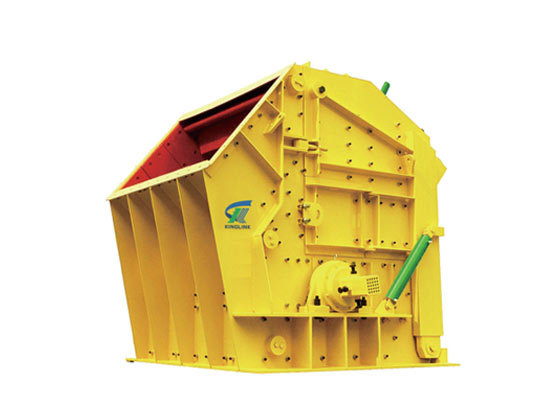
Exploring the Benefits of Using Rotopactor Crushers in Modern Manufacturing
Table of Contents
- 1. Introduction to Rotopactor Crushers
- 2. What is a Rotopactor Crusher?
- 3. Key Features of Rotopactor Crushers
- 4. Applications of Rotopactor Crushers in Manufacturing
- 5. Advantages of Using Rotopactor Crushers
- 6. Environmental Impact and Sustainability
- 7. Choosing the Right Rotopactor Crusher for Your Needs
- 8. Maintenance Tips for Rotopactor Crushers
- 9. Frequently Asked Questions
- 10. Conclusion
1. Introduction to Rotopactor Crushers
In the ever-evolving landscape of modern manufacturing, the need for efficient and versatile crushing solutions has never been more critical. **Rotopactor crushers** stand out as a pivotal innovation in this sector. Their unique design and operational capabilities make them essential tools for manufacturers looking to optimize processes and enhance productivity. This article delves into the myriad benefits that Rotopactor crushers bring to modern manufacturing, making a compelling case for their widespread adoption.
2. What is a Rotopactor Crusher?
A **Rotopactor crusher** is a type of vertical shaft impactor specifically engineered to produce high-quality aggregates. Designed with a unique rotor mechanism, it effectively crushes and reshapes materials, ensuring uniformity in size and shape. This technology is particularly advantageous for industries that require consistency in material properties, such as construction, mining, and recycling.
2.1 The Working Principle
The working principle of a Rotopactor involves feeding raw materials into the machine, where they are accelerated by a high-speed rotor. The materials are then subjected to intense centrifugal force, resulting in impact and fragmentation. This process ensures that the crushed material is of optimal quality, meeting the stringent standards required in various manufacturing applications.
3. Key Features of Rotopactor Crushers
Rotopactor crushers come equipped with several features that enhance their performance and usability.
3.1 High Efficiency
One of the standout features of Rotopactor crushers is their high efficiency. They are capable of processing large volumes of materials quickly, significantly reducing operational downtime.
3.2 Versatility in Material Processing
These crushers can handle a wide range of materials, from soft stones to hard metals, making them versatile tools for various manufacturing sectors.
3.3 Energy Efficiency
Rotopactor crushers are designed to consume less energy compared to traditional crushing machines, leading to lower operational costs and a reduced carbon footprint.
4. Applications of Rotopactor Crushers in Manufacturing
Rotopactor crushers find applications in a variety of industries, contributing to enhanced productivity and efficiency.
4.1 Construction Industry
In the construction sector, Rotopactor crushers are essential for producing high-quality aggregates, which are critical for concrete and asphalt production.
4.2 Mining Operations
These crushers are also widely used in mining operations for crushing ore and mineral deposits, facilitating the extraction process.
4.3 Recycling Facilities
Rotopactor crushers play a vital role in recycling facilities by processing waste materials into reusable aggregates, thus promoting sustainability.
5. Advantages of Using Rotopactor Crushers
The advantages of incorporating Rotopactor crushers into manufacturing processes are manifold.
5.1 Cost-Effectiveness
Investing in Rotopactor crushers can lead to significant cost savings over time. Their durability and low maintenance requirements result in reduced operational expenses.
5.2 Improved Material Quality
The advanced crushing technology employed in Rotopactor crushers ensures high-quality output, which is crucial for meeting industry standards.
5.3 Enhanced Production Rates
Manufacturers experience increased production rates due to the efficient processing capabilities of Rotopactor crushers, leading to higher profitability.
6. Environmental Impact and Sustainability
The role of Rotopactor crushers in promoting environmental sustainability cannot be overstated.
6.1 Reduced Waste
By facilitating the recycling of materials, Rotopactor crushers contribute to waste reduction, minimizing the environmental impact associated with manufacturing operations.
6.2 Lower Carbon Emissions
Their energy-efficient design helps reduce carbon emissions, aligning manufacturing operations with global sustainability goals.
7. Choosing the Right Rotopactor Crusher for Your Needs
Selecting the appropriate Rotopactor crusher for your specific requirements involves several considerations.
7.1 Assessing Material Types
Understanding the types of materials you will be processing is crucial in selecting a Rotopactor that can handle specific characteristics effectively.
7.2 Evaluating Production Capacities
Consider your production capacity needs and select a model that can accommodate your operational demands without compromising efficiency.
7.3 Budget Considerations
While Rotopactor crushers represent a significant investment, weighing the long-term savings against initial costs is essential for making an informed decision.
8. Maintenance Tips for Rotopactor Crushers
Regular maintenance is vital for ensuring the longevity and optimal performance of Rotopactor crushers.
8.1 Routine Inspections
Conducting routine inspections of all components will help identify potential issues before they escalate, ensuring smooth operation.
8.2 Cleaning and Lubrication
Keeping the machine clean and well-lubricated minimizes wear and tear, extending its lifespan and maintaining efficiency.
8.3 Professional Servicing
Engaging professional servicing at regular intervals can help maintain optimal performance levels and address any technical concerns proactively.
9. Frequently Asked Questions
9.1 What materials can be processed using Rotopactor crushers?
Rotopactor crushers can process a variety of materials, including stones, metals, minerals, and recycled aggregates.
9.2 How does a Rotopactor differ from other crushers?
The primary difference lies in its vertical shaft design and rotor mechanism, providing unique crushing capabilities and efficiency.
9.3 What are the typical maintenance requirements for a Rotopactor?
Maintenance typically involves regular inspections, cleaning, lubrication, and professional servicing to ensure optimal performance.
9.4 Can Rotopactor crushers be used for recycling purposes?
Yes, Rotopactor crushers are highly effective in recycling operations, turning waste materials into reusable aggregates.
9.5 What factors should be considered when purchasing a Rotopactor?
Key factors include the type of materials processed, production capacities, budget, and specific operational needs.
10. Conclusion
In the modern manufacturing landscape, **Rotopactor crushers** emerge as essential tools that drive efficiency, versatility, and sustainability. With their unique design, robust performance, and environmental benefits, they offer a significant competitive advantage for manufacturers. By adopting Rotopactor crushers, industries can enhance productivity, reduce costs, and contribute to a more sustainable future. As manufacturers continue to seek innovative solutions to meet growing demands, investing in Rotopactor technology stands out as a wise choice that promises long-term benefits.
Keywords:
Crushing
Auxiliary
Spare Parts
RELATED NEWS








Contact:
Address: Building 3, Lane 123, Shenmei Rd, Pudong District, Shanghai, China 201318
Wechat/WhatsApp: +86 135 2468 9558
Tel: +86-21-20958317
Fax: +86-21-20959271
Email: info@kinglink-china.com
Share:

Messages
SEND MESSAGE