

The Critical Role of Operator Training in Maximizing Hydrocone Crusher Efficiency
classification: Knowledge
Release time:2024-09-09 10:20
The Critical Role of Operator Training in Maximizing Hydrocone Crusher Efficiency
In the **manufacturing and processing machinery** industry, the importance of proper training for **Hydrocone crusher operators** cannot be overstated. These operators play a pivotal role in ensuring the machinery functions optimally, handling the crushing and sorting processes crucial for various applications. In th
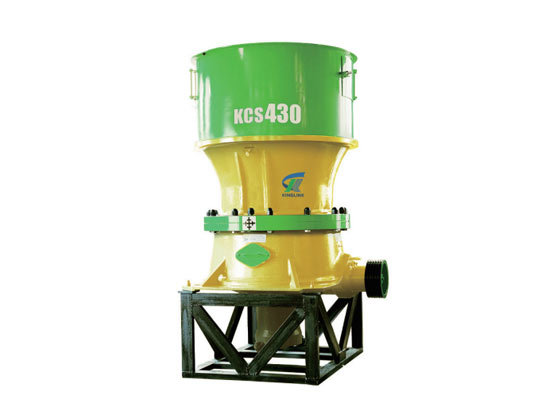
The Critical Role of Operator Training in Maximizing Hydrocone Crusher Efficiency
In the **manufacturing and processing machinery** industry, the importance of proper training for **Hydrocone crusher operators** cannot be overstated. These operators play a pivotal role in ensuring the machinery functions optimally, handling the crushing and sorting processes crucial for various applications. In this comprehensive guide, we will delve into the significance of tailored training programs, the complexities of operational procedures, and the lasting impact effective training has on overall productivity and safety.
Understanding the Hydrocone Crusher
Before discussing the training aspect, it’s essential to understand the Hydrocone crusher’s functionality. This type of crusher is designed for high-efficiency **crushing** and **screening** of various materials. Key features include:
Design and Functionality
- **Hydraulic adjustment systems** that allow for precision in size reduction.
- **Simplicity in operation**, making it accessible to various skill levels but still requiring specialized knowledge.
- **Durability and reliability**, which lead to reduced downtime when operated correctly.
Common Applications
Hydrocone crushers are utilized in several sectors, including:
- **Mining**: For crushing ore and rock.
- **Construction**: For producing aggregates used in building and road construction.
- **Recycling**: For processing waste materials into reusable aggregates.
The Importance of Training for Hydrocone Crusher Operators
Training is instrumental in guaranteeing that operators can leverage the full potential of Hydrocone crushers. Here are some critical aspects highlighting this importance:
Enhancing Operational Efficiency
Investing in training helps operators understand the intricacies of the Hydrocone crusher. With proper training, operators can:
- Optimize the crushing process, leading to reduced operational costs.
- Ensure the machine runs at the ideal capacity, minimizing waste.
- Identify and amend operational inefficiencies swiftly.
Improving Safety Standards
Safety is paramount in any industrial setting. A well-trained Hydrocone crusher operator can:
- Recognize hazards associated with machine operation.
- Implement safety protocols that protect themselves and their colleagues.
- Reduce the likelihood of accidents, thereby fostering a safer work environment.
Reducing Downtime and Maintenance Costs
Proper training can lead to significant reductions in downtime and maintenance costs by:
- Teaching operators preventive maintenance techniques.
- Enabling them to detect early signs of mechanical issues.
- Providing knowledge on the correct handling and operation procedures.
Key Training Components for Hydrocone Crusher Operators
To ensure comprehensive training for Hydrocone crusher operators, the program should cover several essential components:
Understanding Machine Operations
Operators should receive in-depth training on how to operate the Hydrocone crusher effectively. This includes:
- **Start-up and shutdown procedures**.
- **Material loading techniques** to prevent blockages.
- **Adjusting settings** for different material types and sizes.
Maintenance and Troubleshooting Skills
Training should emphasize the importance of routine maintenance. Key aspects include:
- **Lubrication schedules** for different machine components.
- **Checking wear parts** and understanding when replacements are necessary.
- **Basic troubleshooting techniques** that can prevent escalated issues.
Safety Protocols and Emergency Procedures
Safety training is critical. Operators must know:
- How to use personal protective equipment (PPE) correctly.
- Emergency protocols, including shutdown procedures in case of malfunction.
- Safe practices for working around heavy machinery.
Effective Training Methodologies
The approach taken in training Hydrocone crusher operators can significantly impact the program's success. Here are several effective methodologies:
On-the-Job Training
Hands-on experience is invaluable. Pairing new operators with experienced personnel can foster practical learning through real-world scenarios.
Simulations and Virtual Reality (VR) Training
Utilizing technology such as VR can provide immersive training experiences. Operators can practice various scenarios without the risks associated with actual machine operation.
Regular Refresher Courses
Setting up regular training updates ensures that operators remain current with industry best practices and emerging technologies.
Assessing Training Effectiveness
To ensure that the training provided is effective, it’s essential to assess its impact regularly. This can involve:
Operator Performance Evaluation
Monitoring how well operators apply their training in real-world scenarios is crucial. This can include:
- Regular performance reviews.
- Feedback mechanisms from supervisors.
Feedback from Maintenance Teams
Incorporating feedback from maintenance personnel can help identify areas where operators may need additional training, ensuring continuous improvement in operational practices.
Benefits of Skilled Hydrocone Crusher Operators
Properly trained operators can drastically improve the efficiency and performance of Hydrocone crushers. Some key benefits include:
Increased Production Rates
With better understanding and operation, skilled operators can significantly boost production rates, making the machinery more effective.
Enhanced Product Quality
Operators trained to optimize settings can achieve superior product quality, ensuring that materials meet industry standards.
Cost Savings
Reducing operational errors leads to significant cost savings over time, making it a worthwhile investment in training.
Best Practices for Training Implementation
To ensure effective training programs are in place, organizations should consider the following best practices:
Customized Training Programs
Tailor training programs to meet the specific needs of your workforce and machinery to maximize relevance and effectiveness.
Engagement and Interactivity
Incorporate interactive elements into the training process to keep participants engaged and encourage active learning.
Documentation and Support Materials
Providing handouts, manuals, and video resources can help reinforce training concepts and serve as valuable reference materials.
FAQs on Hydrocone Crusher Operator Training
1. What are the primary responsibilities of a Hydrocone crusher operator?
Operators are responsible for the safe and efficient operation of the crusher, monitoring material flow, making necessary adjustments, and performing routine maintenance.
2. How often should operator training be updated?
It is recommended to provide refresher training annually or whenever new equipment or processes are introduced.
3. What qualifications should a Hydrocone crusher operator have?
Operators should have a basic understanding of mechanical principles, strong communication skills, and a commitment to safety.
4. Can training be conducted remotely?
Yes, with advancements in technology, many training components can be effectively delivered through online platforms or virtual training sessions.
5. What are the potential risks of untrained operators?
Untrained operators can increase the risk of accidents, machine damage, and operational inefficiencies, which can lead to costly downtime.
Conclusion
The significance of training for Hydrocone crusher operators extends beyond the machinery itself; it encompasses safety, efficiency, and overall production quality. Organizations that prioritize comprehensive, hands-on training programs not only improve the skills of their operators but also enhance their operational capacity. By investing in training, companies can foster a safer work environment, reduce costs, and maximize productivity, ultimately positioning themselves as leaders in the **manufacturing and processing machinery** sector.
Keywords:
Crushing
Auxiliary
Spare Parts
RELATED NEWS








Contact:
Address: Building 3, Lane 123, Shenmei Rd, Pudong District, Shanghai, China 201318
Wechat/WhatsApp: +86 135 2468 9558
Tel: +86-21-20958317
Fax: +86-21-20959271
Email: info@kinglink-china.com
Share:

Messages
SEND MESSAGE