

Unleashing Efficiency: The Benefits of Using a Rotopactor Crusher for Enhanced Material Processing
classification: Knowledge
Release time:2024-09-07 09:40
Unleashing Efficiency: The Benefits of Using a Rotopactor Crusher
Table of Contents
1. Introduction to the Rotopactor Crusher
2. How Does a Rotopactor Crusher Work?
3. Advantages of Using a Rotopactor Crusher
4. Key Applications of Rotopactor Crushers
5. How Rotopactor Crushers Improve Efficiency
6. Maintenance Tips for Rotopactor Crushers
7. Environmental Benefits of Using Rotopact
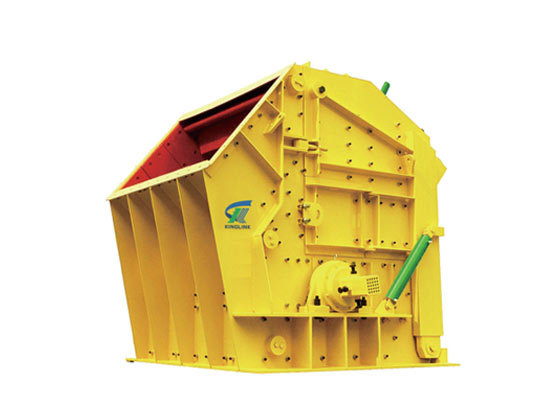
Unleashing Efficiency: The Benefits of Using a Rotopactor Crusher
Table of Contents
- 1. Introduction to the Rotopactor Crusher
- 2. How Does a Rotopactor Crusher Work?
- 3. Advantages of Using a Rotopactor Crusher
- 4. Key Applications of Rotopactor Crushers
- 5. How Rotopactor Crushers Improve Efficiency
- 6. Maintenance Tips for Rotopactor Crushers
- 7. Environmental Benefits of Using Rotopactor Crushers
- 8. Rotopactor Crusher vs. Traditional Crushers
- 9. Frequently Asked Questions
- 10. Conclusion
1. Introduction to the Rotopactor Crusher
The Rotopactor Crusher is a revolutionary piece of equipment in the manufacturing and recycling industries. Designed to efficiently crush and aggregate materials, it excels at transforming large, cumbersome inputs into manageable outputs. This advanced machine stands out due to its unique design and unparalleled operational efficiency, making it a preferred choice for businesses aiming to optimize their processes.
In a world where efficiency and productivity are key, the Rotopactor Crusher offers significant advantages. This article will explore the numerous benefits of using a Rotopactor Crusher, shedding light on its operation, applications, and the impact it has on various industries.
2. How Does a Rotopactor Crusher Work?
Understanding the working mechanism of the Rotopactor Crusher is crucial for appreciating its benefits. The machine operates using a series of rotating hammers or blades that effectively break down materials. Here are the key components of its working mechanism:
2.1 Design Features
The Rotopactor Crusher features a unique rotor design that facilitates efficient particle size reduction. The rotor spins at high speeds, allowing for effective compression and shear forces that break down materials into smaller pieces.
2.2 Material Feed Process
Materials are fed into the crushing chamber, where they encounter the rotating hammers. The combination of centrifugal force and gravity propels the materials against the crushing plates, resulting in effective fragmentation.
2.3 Output Quality
The crushed materials are then discharged through specific mesh screens, ensuring consistency in particle size and shape. This high-quality output is essential for various applications, including construction, landscaping, and recycling operations.
3. Advantages of Using a Rotopactor Crusher
The benefits of utilizing a Rotopactor Crusher are numerous, providing a compelling case for its adoption in material processing. Here are some of the key advantages:
3.1 Enhanced Efficiency
The Rotopactor Crusher operates at a higher efficiency compared to traditional crushers. Its rapid processing capability allows for increased throughput, enabling businesses to meet production demands without compromising quality.
3.2 Versatility in Material Processing
This machine is adept at handling a wide variety of materials, including concrete, asphalt, and industrial waste. Its versatility makes it suitable for numerous applications across different industries.
3.3 Lower Energy Consumption
The advanced design of the Rotopactor Crusher leads to reduced energy consumption. Its efficient operation minimizes power usage while maximizing output, translating to cost savings for businesses.
3.4 Reduced Wear and Tear
The robust construction of the Rotopactor Crusher minimizes the wear and tear on its components. This durability translates to lower maintenance costs and longer operational lifespans.
4. Key Applications of Rotopactor Crushers
Rotopactor Crushers find applications across various sectors. Understanding these applications can help businesses recognize the potential benefits of integrating this technology into their operations.
4.1 Construction Industry
In the construction industry, Rotopactor Crushers are utilized to process materials such as concrete and asphalt. They enable the recycling of construction debris, contributing to sustainable practices and reducing landfill waste.
4.2 Landscaping
Landscapers benefit from the efficient processing of organic materials like wood chips and bark. The Rotopactor Crusher helps create fine mulch and aggregates, enhancing landscaping projects and improving aesthetics.
4.3 Mining and Quarrying
In the mining sector, the Rotopactor Crusher is employed to crush and aggregate materials extracted from quarries. Its ability to handle tough rock formations makes it invaluable for this industry.
4.4 Waste Management
Rotopactor Crushers play a vital role in waste management by breaking down industrial waste and recyclables. This process not only facilitates recycling efforts but also promotes environmental sustainability.
5. How Rotopactor Crushers Improve Efficiency
The operational efficiency of a Rotopactor Crusher is influenced by several factors. Here, we examine how it enhances overall productivity.
5.1 Streamlined Processing
The high-speed rotation of the hammers allows for quick and efficient material processing. This speed reduces the time required for crushing and aggregates, resulting in increased productivity.
5.2 Consistent Output Quality
The design of the Rotopactor Crusher ensures consistent particle size and shape, which is crucial for applications requiring specific material characteristics. This consistency enhances the reliability of the final product.
5.3 Automation and Control
Many modern Rotopactor Crushers feature automated controls that allow for precise adjustments during operation. This automation leads to better control over the crushing process, further improving efficiency.
6. Maintenance Tips for Rotopactor Crushers
To maximize the lifespan and efficiency of a Rotopactor Crusher, regular maintenance is essential. Here are some key maintenance tips:
6.1 Routine Inspections
Conduct regular inspections of the machine to identify any wear and tear on components. Checking the hammers, screens, and belts can help prevent unexpected breakdowns.
6.2 Lubrication Maintenance
Ensure that all moving parts are adequately lubricated to reduce friction and wear. Regular lubrication prolongs the life of the machine and enhances its operational efficiency.
6.3 Replace Worn Parts Promptly
Timely replacement of worn parts is crucial for maintaining optimal performance. Scheduling proactive replacements can prevent major repairs and downtime.
7. Environmental Benefits of Using Rotopactor Crushers
The environmental advantages of employing a Rotopactor Crusher are significant, particularly in an era where sustainability is paramount.
7.1 Waste Reduction
Rotopactor Crushers facilitate the recycling of materials, significantly reducing the amount of waste sent to landfills. By reprocessing materials, businesses contribute to a circular economy.
7.2 Lower Carbon Footprint
With their energy-efficient operation, Rotopactor Crushers help reduce carbon emissions associated with material processing. This reduction in energy consumption supports environmental conservation efforts.
7.3 Resource Conservation
By enabling the recycling and repurposing of materials, Rotopactor Crushers contribute to the conservation of natural resources. This sustainable approach minimizes the need for raw material extraction.
8. Rotopactor Crusher vs. Traditional Crushers
When choosing between a Rotopactor Crusher and traditional crushers, it's essential to understand the differences that can impact operational efficiency.
8.1 Efficiency Metrics
Rotopactor Crushers typically outperform traditional crushers in processing speed and throughput, providing significant advantages in high-demand environments.
8.2 Cost-Effectiveness
While initial investments may vary, the long-term operational savings associated with lower energy and maintenance costs make Rotopactor Crushers a more cost-effective choice overall.
8.3 Versatility
Unlike some traditional crushers that are limited to specific materials, Rotopactor Crushers offer greater versatility, allowing businesses to process a broader range of materials efficiently.
9. Frequently Asked Questions
9.1 What materials can a Rotopactor Crusher process?
Rotopactor Crushers are capable of processing a variety of materials, including concrete, asphalt, wood waste, and other industrial materials.
9.2 How does a Rotopactor Crusher compare to a jaw crusher?
While jaw crushers are effective for primary crushing, Rotopactor Crushers excel in secondary crushing and offer better versatility and efficiency for various material types.
9.3 What maintenance is required for a Rotopactor Crusher?
Regular inspections, lubrication, and prompt replacement of worn parts are essential maintenance tasks that ensure optimal performance.
9.4 Can a Rotopactor Crusher be automated?
Yes, many modern Rotopactor Crushers feature automation capabilities that allow for precise control over the crushing process.
9.5 Are there environmental benefits to using a Rotopactor Crusher?
Yes, Rotopactor Crushers contribute to waste reduction, lower carbon footprints, and resource conservation through efficient recycling processes.
10. Conclusion
The Rotopactor Crusher represents a significant advancement in material processing technology. Its unique design, coupled with high efficiency and versatility, makes it an ideal choice for various industries, from construction to waste management. By optimizing operations with a Rotopactor Crusher, businesses can enhance their productivity while minimizing environmental impact. As we strive for greater efficiency and sustainability in our processes, investing in a Rotopactor Crusher is a step toward unlocking unparalleled operational excellence.
Keywords:
Crushing
Auxiliary
Spare Parts
RELATED NEWS








Contact:
Address: Building 3, Lane 123, Shenmei Rd, Pudong District, Shanghai, China 201318
Wechat/WhatsApp: +86 135 2468 9558
Tel: +86-21-20958317
Fax: +86-21-20959271
Email: info@kinglink-china.com
Share:

Messages
SEND MESSAGE