

Unveiling the Power of Rotopactor Stone Crushers for Efficient Aggregates
classification: Knowledge
Release time:2024-09-01 10:00
Unveiling the Power of Rotopactor Stone Crushers for Efficient Aggregates
Table of Contents
1. Introduction to Rotopactor Stone Crushers
2. What is a Rotopactor Stone Crusher?
3. Working Principle of Rotopactor Stone Crushers
4. Advantages of Using Rotopactor Stone Crushers
5. Applications of Rotopactor Stone Crushers
6. Operation and Maintenance of Rotopactor Stone Crushers
7.
Unveiling the Power of Rotopactor Stone Crushers for Efficient Aggregates
Table of Contents
- 1. Introduction to Rotopactor Stone Crushers
- 2. What is a Rotopactor Stone Crusher?
- 3. Working Principle of Rotopactor Stone Crushers
- 4. Advantages of Using Rotopactor Stone Crushers
- 5. Applications of Rotopactor Stone Crushers
- 6. Operation and Maintenance of Rotopactor Stone Crushers
- 7. Comparison with Other Types of Crushers
- 8. Future Trends in Stone Crushing Technology
- 9. Frequently Asked Questions
- 10. Conclusion
1. Introduction to Rotopactor Stone Crushers
The construction and aggregates industry has witnessed significant advancements over the past few decades. Efficient aggregate production is essential for meeting the increasing demand for construction materials. Among the various crushers available, **Rotopactor stone crushers** have emerged as a powerful solution for producing high-quality aggregates. In this article, we delve into the capabilities of Rotopactor stone crushers, illustrating their importance in today’s competitive market.
2. What is a Rotopactor Stone Crusher?
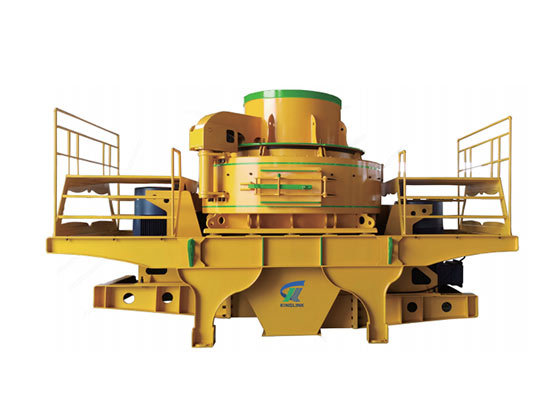
A **Rotopactor stone crusher** is a unique type of machine designed to produce sand and aggregates by crushing stones. Unlike conventional crushers, the Rotopactor employs a vertical shaft impact design, utilizing high-speed rotating rotors to crush materials. This innovative mechanism ensures that the output is finely graded and of superior quality, making it ideal for various applications in the aggregates industry.
2.1 Key Features of Rotopactor Stone Crushers
- **Vertical Shaft Impact Design**: This design maximizes energy efficiency and minimizes wear and tear.
- **High Throughput Capacity**: Rotopactors are capable of processing large volumes of material quickly.
- **Versatile Applications**: They can handle a range of materials, including hard and soft stones.
- **Low Operating Costs**: The efficiency of Rotopactor machines translates into lower operational costs compared to traditional crushers.
3. Working Principle of Rotopactor Stone Crushers
The working principle of a Rotopactor stone crusher revolves around the **centrifugal force** generated by the high-speed rotation of the rotor. As the rotor spins, it throws the material against the anvil or a series of impact plates. This high-impact action breaks down the stones into smaller particles, which are then classified according to their sizes. The crushed material is discharged at the bottom of the machine, ready for further processing or direct use in construction.
3.1 Process Flow of Rotopactor Stone Crushers
- **Feeding**: Material is fed into the machine through an inlet.
- **Crushing**: The rotor spins at high speeds, impacting the material against stationary plates.
- **Classification**: The crushed material is classified by size as it exits the machine.
- **Discharge**: The finished aggregates are discharged for use or further processing.
4. Advantages of Using Rotopactor Stone Crushers
Rotopactor stone crushers bring several advantages to the aggregates sector, making them a preferred choice among contractors and builders.
4.1 Superior Product Quality
The design of Rotopactor crushers ensures that the aggregates produced are consistently well-graded and of high quality. This characteristic is crucial for ensuring the durability of construction projects.
4.2 Enhanced Energy Efficiency
With their efficient design, Rotopactor machines consume less energy than traditional crushers. This translates into lower operational costs and reduced environmental impact.
4.3 Reduced Maintenance Requirements
The robust construction and innovative design of Rotopactor stone crushers lead to longer service intervals and less frequent maintenance needs, allowing for uninterrupted operations.
4.4 Flexibility and Versatility
Rotopactor crushers can efficiently process a wide range of materials, making them suitable for various applications in different industries.
5. Applications of Rotopactor Stone Crushers
Rotopactor stone crushers have diverse applications across various sectors that require aggregate production.
5.1 Construction Industry
In the construction sector, Rotopactors are primarily used for producing high-quality sand and aggregates for concrete production, road construction, and infrastructure development.
5.2 Mining and Mineral Processing
These machines are effective in the mining industry for crushing ores and minerals, enabling the efficient extraction of valuable resources.
5.3 Recycling and Waste Management
Rotopactor stone crushers play a vital role in recycling processes, transforming construction waste into reusable materials, thereby promoting sustainability.
6. Operation and Maintenance of Rotopactor Stone Crushers
Proper operation and maintenance of Rotopactor machines are crucial for maximizing their efficiency and lifespan.
6.1 Operating Guidelines
- Ensure that the material fed into the machine is of appropriate size and quality.
- Monitor the operational parameters regularly to maintain optimal performance.
- Keep an eye on the wear and tear of the rotor and impact plates.
6.2 Maintenance Tips
- Conduct regular inspections to identify and address wear issues early.
- Clean the machine thoroughly to prevent material build-up, which can affect performance.
- Lubricate moving parts as per the manufacturer’s guidelines to minimize friction and wear.
7. Comparison with Other Types of Crushers
When considering different types of crushers, it is essential to understand how Rotopactor machines stand out.
7.1 Rotopactor vs. Jaw Crushers
Jaw crushers are known for their ability to handle large rocks, but Rotopactors excel in producing finer aggregates and achieving better gradation.
7.2 Rotopactor vs. Cone Crushers
Cone crushers provide similar functionality to Rotopactors but tend to be less efficient for producing sand, making Rotopactors a superior choice for sand production.
8. Future Trends in Stone Crushing Technology
The stone crushing industry is evolving, with emerging trends aimed at enhancing efficiency, sustainability, and safety.
8.1 Automation and Smart Technologies
The integration of automation and smart technologies is set to revolutionize the operation of Rotopactor stone crushers, facilitating real-time monitoring and performance optimization.
8.2 Environmentally Friendly Solutions
The industry is witnessing a shift towards eco-friendly practices, and Rotopactor manufacturers are focusing on creating machines that minimize energy consumption and emissions.
9. Frequently Asked Questions
9.1 What materials can be processed by a Rotopactor stone crusher?
Rotopactor stone crushers can effectively process a variety of materials, including granite, limestone, and recycled concrete aggregates.
9.2 How does a Rotopactor differ from a traditional impact crusher?
While both machines use impact forces to crush materials, Rotopactors are specifically designed for producing high-quality sand and aggregates, with a focus on efficiency and gradation.
9.3 What maintenance is required for Rotopactor stone crushers?
Regular inspections, cleaning, lubrication, and timely replacement of worn parts are essential maintenance tasks to keep Rotopactor machines operating efficiently.
9.4 Can Rotopactor crushers handle wet materials?
It is generally advisable to avoid processing excessively wet materials as it may affect the crushing efficiency and lead to clogs.
9.5 What is the expected lifespan of a Rotopactor stone crusher?
The lifespan of a Rotopactor stone crusher can vary based on usage and maintenance practices, but with proper care, they can last several years.
10. Conclusion
In conclusion, **Rotopactor stone crushers** stand out as a powerful and efficient solution for aggregate production in the construction and mining industries. With their innovative design, superior product quality, and operational efficiency, they have become an essential tool for contractors and builders. By embracing the advantages offered by Rotopactor machines, companies can improve their productivity and contribute to sustainable practices in the aggregates sector. Investing in this technology is not just a choice; it's a step towards a more efficient and eco-friendly future in construction and material processing.
Keywords:
Crushing
Auxiliary
Spare Parts
RELATED NEWS








Contact:
Address: Building 3, Lane 123, Shenmei Rd, Pudong District, Shanghai, China 201318
Wechat/WhatsApp: +86 135 2468 9558
Tel: +86-21-20958317
Fax: +86-21-20959271
Email: info@kinglink-china.com
Share:

Messages
SEND MESSAGE