

Exploring the Environmental Impact of Powerscreen Jaw Crushers: A Comprehensive Analysis
classification: Knowledge
Release time:2024-08-30 10:00
Exploring the Environmental Impact of Powerscreen Jaw Crushers
Table of Contents
1. Introduction
2. Overview of Powerscreen Jaw Crushers
3. Environmental Impact Assessment
3.1 Carbon Footprint of Jaw Crushers
3.2 Energy Consumption and Efficiency
3.3 Noise Pollution and Its Mitigation
3.4 Waste Management Practices
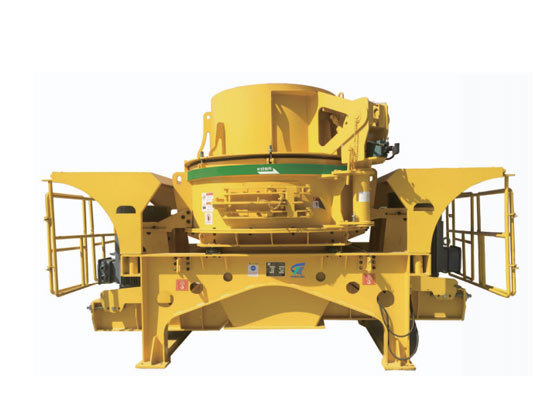
Exploring the Environmental Impact of Powerscreen Jaw Crushers
Table of Contents
- 1. Introduction
- 2. Overview of Powerscreen Jaw Crushers
- 3. Environmental Impact Assessment
- 3.1 Carbon Footprint of Jaw Crushers
- 3.2 Energy Consumption and Efficiency
- 3.3 Noise Pollution and Its Mitigation
- 3.4 Waste Management Practices
- 4. Sustainable Innovations in Crushing Technology
- 5. Case Studies: Environmental Impact in Action
- 6. Conclusion
- 7. FAQs
1. Introduction
The construction and demolition industries are pivotal to global development yet carry significant environmental concerns. In these sectors, **Powerscreen jaw crushers** play an essential role in material processing and recycling. Understanding their environmental impact is crucial for stakeholders aiming to balance productivity with ecological responsibility. This article provides an in-depth exploration of how these powerful machines operate, emphasizing their potential for sustainable practices.
2. Overview of Powerscreen Jaw Crushers
Powerscreen jaw crushers are renowned for their robust design and efficiency in breaking down various materials, including concrete, stone, and asphalt. These machines employ a compressive force to reduce large rocks into manageable sizes, facilitating recycling and reuse. Their versatility makes them indispensable in modern construction projects, but this efficiency raises questions regarding their environmental footprint.
Key Features of Powerscreen Jaw Crushers
Powerscreen jaw crushers are equipped with numerous features that enhance operational efficiency, including:
- **High throughput**: Designed to handle large volumes of material.
- **Robust construction**: Ensures durability and longevity.
- **User-friendly controls**: Simplifies operation and maintenance.
- **Adaptability**: Capable of processing various materials with different hardness levels.
These features not only make Powerscreen jaw crushers effective but also allow for better control over environmental impacts.
3. Environmental Impact Assessment
To evaluate the environmental impact of Powerscreen jaw crushers, we must consider several key factors: carbon footprint, energy consumption, noise pollution, and waste management.
3.1 Carbon Footprint of Jaw Crushers
The carbon footprint of any mechanical equipment is a critical measure of its environmental impact. Powerscreen jaw crushers, like all machinery, emit greenhouse gases (GHGs) during operation. However, advancements in technology have led to more efficient engines and systems, resulting in reduced emissions per ton of material processed.
Innovative designs now incorporate:
- **Hybrid technology**: Combining electric and diesel power to lower emissions.
- **Emission monitoring systems**: Allowing operators to track and minimize their carbon output.
By investing in these technologies, companies can significantly reduce the carbon footprint of their operations.
3.2 Energy Consumption and Efficiency
Energy consumption is another vital aspect of the environmental impact of Powerscreen jaw crushers. Efficient engines and technologies significantly lower energy requirements, which is paramount in reducing operational costs and environmental effects.
Factors influencing energy efficiency include:
- **Weight and size**: Lighter, smaller models often consume less energy.
- **Hydraulic systems**: Enhanced hydraulics can optimize the crushing process, reducing energy wasted in unnecessary movements.
Implementing energy-efficient practices can lead to substantial savings while minimizing environmental impact.
3.3 Noise Pollution and Its Mitigation
Noise pollution is an often-overlooked consequence of heavy machinery operation. Powerscreen jaw crushers can produce significant noise, affecting nearby communities and wildlife. However, several strategies can reduce this noise:
- **Acoustic enclosures**: These structures can significantly dampen sound emissions.
- **Regular maintenance**: Ensuring machinery operates smoothly reduces noise from mechanical wear.
Efforts to mitigate noise pollution demonstrate a commitment to environmental stewardship and community relations.
3.4 Waste Management Practices
Waste management is a critical consideration for any industrial operation. Powerscreen jaw crushers contribute to sustainable practices by allowing for the recycling of materials. Effective waste management strategies include:
- **Recycling materials onsite**: Reducing the need for transportation and further processing.
- **Implementing a circular economy model**: Utilizing waste materials in new projects.
By adopting these practices, companies can minimize their environmental impact while promoting sustainability.
4. Sustainable Innovations in Crushing Technology
The evolution of crushing technology is marked by a focus on sustainability. Powerscreen is at the forefront of integrating eco-friendly innovations into their jaw crushers.
4.1 Advanced Materials for Durable Machines
The use of **advanced materials** in the construction of jaw crushers enhances durability and reduces the need for frequent replacements. This not only conserves resources but also minimizes waste.
- **Wear-resistant materials**: Prolong the lifespan of components.
- **Recycled materials**: Used in the fabrication of new machines, contributing to sustainability.
These innovations reflect a shift towards more responsible manufacturing practices.
4.2 Eco-Friendly Operations
Beyond machinery design, operational practices are crucial for sustainability. Powerscreen's eco-friendly operational strategies include:
- **Regular training for operators**: Ensuring that the machinery is used efficiently.
- **Scheduled maintenance**: Reducing downtime and extending equipment life.
By fostering eco-friendly operations, companies can align their goals with environmental sustainability.
5. Case Studies: Environmental Impact in Action
Examining real-world applications of Powerscreen jaw crushers reveals their practical impact on the environment. Several case studies illustrate how these machines have been deployed to achieve sustainability goals.
5.1 Case Study 1: Urban Construction Project
In a recent urban construction project, Powerscreen jaw crushers were utilized to recycle concrete, significantly reducing landfill waste. The project’s commitment to sustainability was evident, as it achieved a recycling rate of over 90%, showcasing the effectiveness of these machines in environmentally responsible construction.
5.2 Case Study 2: Mining Operations
In mining operations, Powerscreen jaw crushers are pivotal in reducing overburden and processing minerals efficiently. By implementing energy-efficient technologies, a mining company reported a 30% decrease in energy consumption, illustrating a profound commitment to sustainability in the industry.
6. Conclusion
In conclusion, Powerscreen jaw crushers exemplify the delicate balance between industrial efficiency and environmental responsibility. By understanding their operational impacts, companies can leverage innovative technologies to minimize their carbon footprint, energy consumption, and noise pollution. Sustainable practices in waste management and operations not only enhance the ecological footprint of these machines but also set a standard for the industry. As we continue to embrace advancements in technology, the future of crushing machinery remains bright, promising a more sustainable path.
7. FAQs
What is the environmental impact of Powerscreen jaw crushers?
Powerscreen jaw crushers contribute to environmental impact through carbon emissions, energy consumption, noise pollution, and waste generation. However, advancements in technology and sustainable practices significantly mitigate these effects.
How do Powerscreen jaw crushers reduce their carbon footprint?
Powerscreen jaw crushers reduce their carbon footprint through hybrid technology, efficient engines, and emission monitoring systems that optimize performance and minimize emissions.
What are the energy-saving features of Powerscreen jaw crushers?
Key energy-saving features include lightweight designs, advanced hydraulic systems, and energy-efficient engines that lower operational costs and resource consumption.
How is noise pollution managed in crushing operations?
Noise pollution is managed through acoustic enclosures, regular maintenance, and operator training to ensure machines are run efficiently and quietly.
What role do Powerscreen jaw crushers play in waste management?
Powerscreen jaw crushers play a vital role in waste management by enabling onsite recycling of materials, thus reducing transportation needs and promoting a circular economy approach.
Keywords:
Crushing
Auxiliary
Spare Parts
RELATED NEWS








Contact:
Address: Building 3, Lane 123, Shenmei Rd, Pudong District, Shanghai, China 201318
Wechat/WhatsApp: +86 135 2468 9558
Tel: +86-21-20958317
Fax: +86-21-20959271
Email: info@kinglink-china.com
Share:

Messages
SEND MESSAGE