

How Quality Rotopactor Stone Crushers Enhance Aggregate Production
classification: Knowledge
Release time:2024-08-18 09:40
How Quality Rotopactor Stone Crushers Enhance Aggregate Production
Table of Contents
1. Introduction to Rotopactor Stone Crushers
2. Importance of Quality in Aggregate Production
3. How Rotopactor Stone Crushers Work
4. Benefits of Using Rotopactor Stone Crushers
5. Advanced Technology in Rotopactor Stone Crushers
6. Maintenance Tips for Optimal Performance
How Quality Rotopactor Stone Crushers Enhance Aggregate Production
Table of Contents
- 1. Introduction to Rotopactor Stone Crushers
- 2. Importance of Quality in Aggregate Production
- 3. How Rotopactor Stone Crushers Work
- 4. Benefits of Using Rotopactor Stone Crushers
- 5. Advanced Technology in Rotopactor Stone Crushers
- 6. Maintenance Tips for Optimal Performance
- 7. Cost-Effectiveness of Rotopactor Stone Crushers
- 8. The Future of Aggregate Production with Rotopactor Technology
- 9. FAQs About Rotopactor Stone Crushers
- 10. Conclusion
1. Introduction to Rotopactor Stone Crushers
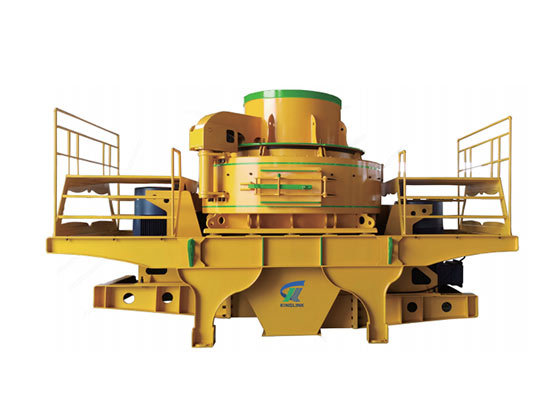
In the realm of aggregate production, the choice of machinery can significantly affect output quality and efficiency. Rotopactor stone crushers stand out as pivotal equipment in transforming raw materials into usable aggregates. These machines utilize innovative crushing techniques to produce high-quality stone aggregates, essential for construction, road building, and various other applications.
2. Importance of Quality in Aggregate Production
Quality in aggregate production is crucial for multiple reasons:
2.1. Strength and Durability
Aggregate quality directly influences the strength and durability of the final products, such as concrete and asphalt. High-quality aggregates contribute to the longevity and resilience of construction materials.
2.2. Cost Efficiency
Using subpar aggregates can lead to structural failures and increased maintenance costs. Quality aggregates minimize these risks, making quality assurance essential for cost-effective production.
2.3. Regulatory Compliance
Many industries are subject to stringent regulations regarding material quality. Adhering to these standards is critical for legal compliance and ensuring customer satisfaction.
3. How Rotopactor Stone Crushers Work
Rotopactor stone crushers operate through a series of mechanical processes that break down large rocks into smaller, uniform pieces. The fundamental working principle involves:
3.1. Feeding the Material
Material is loaded into the crusher, where it undergoes initial size reduction.
3.2. Impact and Compression
The rotopactor utilizes both impact and compression to crush stones effectively. Rotating hammers or blades apply force to break down the material into the desired size.
3.3. Screening and Separation
After crushing, the material is screened to separate fines and ensure uniformity. This screening process is vital for producing high-quality aggregates.
4. Benefits of Using Rotopactor Stone Crushers
Selecting high-quality Rotopactor stone crushers offers numerous advantages:
4.1. Enhanced Production Efficiency
These machines are designed to optimize production rates, reducing operational downtime and improving overall output.
4.2. Superior Material Quality
The precision of the crushing process leads to the production of high-quality aggregates, essential for meeting construction standards.
4.3. Versatility
Rotopactor stone crushers can handle various types of materials, making them suitable for different applications within the aggregate production industry.
4.4. Reduced Environmental Impact
By optimizing the crushing process, these machines contribute to reduced waste and energy consumption, promoting environmentally friendly practices.
5. Advanced Technology in Rotopactor Stone Crushers
Modern Rotopactor stone crushers incorporate cutting-edge technology to enhance performance:
5.1. Automation Features
Automation allows for precise control over the crushing process, ensuring consistent quality and reducing the need for manual intervention.
5.2. Smart Monitoring Systems
Integrated monitoring systems can track performance metrics, alerting operators to potential issues before they escalate.
5.3. Energy-Efficient Designs
Newer models are designed to consume less energy while delivering optimal crushing performance, thus lowering operational costs.
6. Maintenance Tips for Optimal Performance
To achieve the best results with Rotopactor stone crushers, regular maintenance is essential:
6.1. Routine Inspections
Conducting regular inspections helps identify wear and tear before they lead to significant downtime.
6.2. Proper Lubrication
Ensuring that all moving parts are adequately lubricated reduces friction and prolongs the machine's lifespan.
6.3. Replacement of Worn Parts
Timely replacement of worn-out components is crucial for maintaining efficiency and preventing operational failures.
7. Cost-Effectiveness of Rotopactor Stone Crushers
Investing in quality Rotopactor stone crushers presents a favorable return on investment:
7.1. Lower Operating Costs
Efficient operation leads to reduced energy costs and lower wear on components, contributing to overall savings.
7.2. Increased Output
Higher production rates mean that businesses can meet demand more effectively, translating into increased revenue.
7.3. Longevity of Equipment
Quality machinery is built to last, minimizing the need for frequent replacements and repairs.
8. The Future of Aggregate Production with Rotopactor Technology
The future of aggregate production is poised for transformation as technology continues to advance. Key trends include:
8.1. Sustainability Focus
As environmental concerns grow, sustainable practices in aggregate production will become paramount. Rotopactor technology will likely evolve to enhance eco-friendly operations.
8.2. Integration with Digital Technologies
Embracing digital solutions, such as data analytics and IoT, will provide manufacturers with insights to optimize production further.
8.3. Expansion of Applications
As new materials and construction methods emerge, Rotopactor technology will adapt to meet the evolving needs of the industry.
9. FAQs About Rotopactor Stone Crushers
9.1. What is a Rotopactor stone crusher?
A Rotopactor stone crusher is a machine designed to crush stones into smaller aggregates using impact and compression techniques.
9.2. How does a Rotopactor differ from other crushers?
Rotopactor crushers typically provide a more uniform size and higher quality output compared to conventional crushers.
9.3. What are the maintenance requirements for Rotopactor stone crushers?
Regular inspections, lubrication, and timely replacement of worn parts are crucial for maintaining optimal performance.
9.4. Can Rotopactor stone crushers handle different materials?
Yes, Rotopactor stone crushers are versatile and can process various types of materials.
9.5. What is the cost-effectiveness of using Rotopactor stone crushers?
Investing in high-quality Rotopactor stone crushers can lead to lower operating costs, increased output, and a favorable return on investment.
10. Conclusion
Quality Rotopactor stone crushers play an instrumental role in enhancing aggregate production. Their efficiency, versatility, and ability to produce high-quality aggregates make them invaluable in the manufacturing and processing sector. By investing in advanced technology and adhering to proper maintenance practices, businesses can maximize their output and ensure compliance with industry standards. As the aggregate production landscape evolves, Rotopactor technology will undoubtedly remain at the forefront, driving innovation and sustainability in the industry.
Keywords:
Crushing
Auxiliary
Spare Parts
RELATED NEWS








Contact:
Address: Building 3, Lane 123, Shenmei Rd, Pudong District, Shanghai, China 201318
Wechat/WhatsApp: +86 135 2468 9558
Tel: +86-21-20958317
Fax: +86-21-20959271
Email: info@kinglink-china.com
Share:

Messages
SEND MESSAGE