

Everything You Need to Know About Cone Crusher Machines
classification: Knowledge
Release time:2024-07-25 10:00
Cone crusher machines are vital equipment in the manufacturing and processing machinery industry, specifically in the crushing and screening machinery sector. These machines are designed to break down large rocks into smaller, more manageable pieces for further processing. Here are some key points to keep in mind when it comes to cone crusher machines:
1. **Operating Principle**: Cone crusher mach
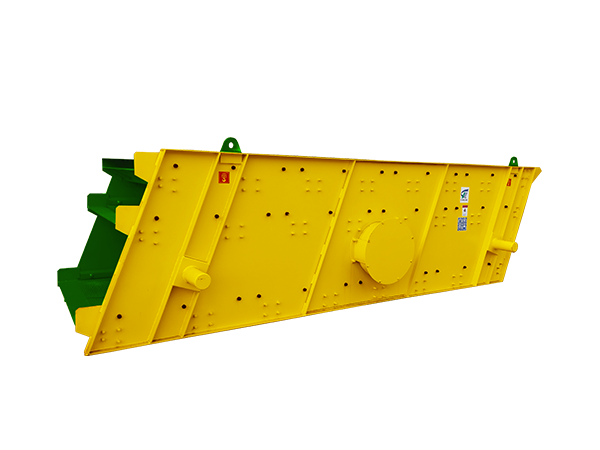
Cone crusher machines are vital equipment in the manufacturing and processing machinery industry, specifically in the crushing and screening machinery sector. These machines are designed to break down large rocks into smaller, more manageable pieces for further processing. Here are some key points to keep in mind when it comes to cone crusher machines:
1. **Operating Principle**: Cone crusher machines operate on the principle of compression crushing. This means that the material is squeezed between two surfaces, resulting in the breaking down of the particles into smaller pieces.
2. **Types of Cone Crushers**: There are several types of cone crushers available, including spring cone crushers, hydraulic cone crushers, and compound cone crushers. Each type has its own unique features and advantages, catering to different needs in the industry.
3. **Key Components**: The main components of a cone crusher machine include the crushing chamber, mantle, concave, eccentric shaft, drive shaft, and the hydraulic system (in the case of hydraulic cone crushers). Understanding these components is essential for proper maintenance and troubleshooting.
4. **Applications**: Cone crusher machines are commonly used in the mining, metallurgy, construction, and chemical industries for crushing various types of materials, such as ores, rocks, and minerals. They are versatile and can be adjusted to meet different production requirements.
5. **Maintenance and Care**: Proper maintenance is crucial to ensure the longevity and efficiency of cone crusher machines. Regular inspections, lubrication, and part replacements when necessary are essential to prevent breakdowns and maximize productivity.
In conclusion, cone crusher machines play a crucial role in the manufacturing and processing machinery industry, particularly in the crushing and screening sector. Understanding their operation, types, components, applications, and maintenance requirements is key to optimizing their performance and ensuring smooth operations in various industrial settings.
Keywords:
Crushing
Auxiliary
Spare Parts
RELATED NEWS








Contact:
Address: Building 3, Lane 123, Shenmei Rd, Pudong District, Shanghai, China 201318
Wechat/WhatsApp: +86 135 2468 9558
Tel: +86-21-20958317
Fax: +86-21-20959271
Email: info@kinglink-china.com
Share:

Messages
SEND MESSAGE